
Rivers and estuaries perform essential ecological functions: filtering pollutants, sustaining fish and bird life, recharging groundwater, and connecting terrestrial and marine ecosystems. In Mossel Bay, waterways such as the Groot and Klein Brak Rivers support:
Aquatic habitats for fish, invertebrates, and plant communities
Important feeding and breeding grounds for birds
Recreational use by residents and visitors
Tourism that contributes to the local economy
Healthy rivers and estuaries are indicators of broader environmental wellbeing and community health.
Available evidence indicates multiple forms of environmental stress:
Chemical contamination from urban runoff, stormwater discharge, and treated wastewater effluent
High nutrient loads contributing to algal growth and oxygen depletion
Sedimentation and erosion degrading habitat quality
Solid waste and litter degrading riverbanks, estuary mouths, and beaches
Sampling results, community observations, and environmental reports point to declining water quality, evidenced through chemical and biological indicators. These conditions reduce biodiversity, impair recreational use, and diminish ecological resilience.
Effective environmental governance requires clear policy, consistent monitoring, timely enforcement, and public transparency. However, multiple governance failures have been observed:
Lack of timely public reporting on water quality and compliance monitoring
Inadequate enforcement of pollution control measures
Limited responsiveness to community reporting of pollution events
Uncoordinated planning across municipal departments and environmental authorities
These gaps allow pollution sources to persist unmitigated, eroding environmental conditions over time. The absence of clear timelines, public data, and corrective action plans undermines both public trust and ecological outcomes.
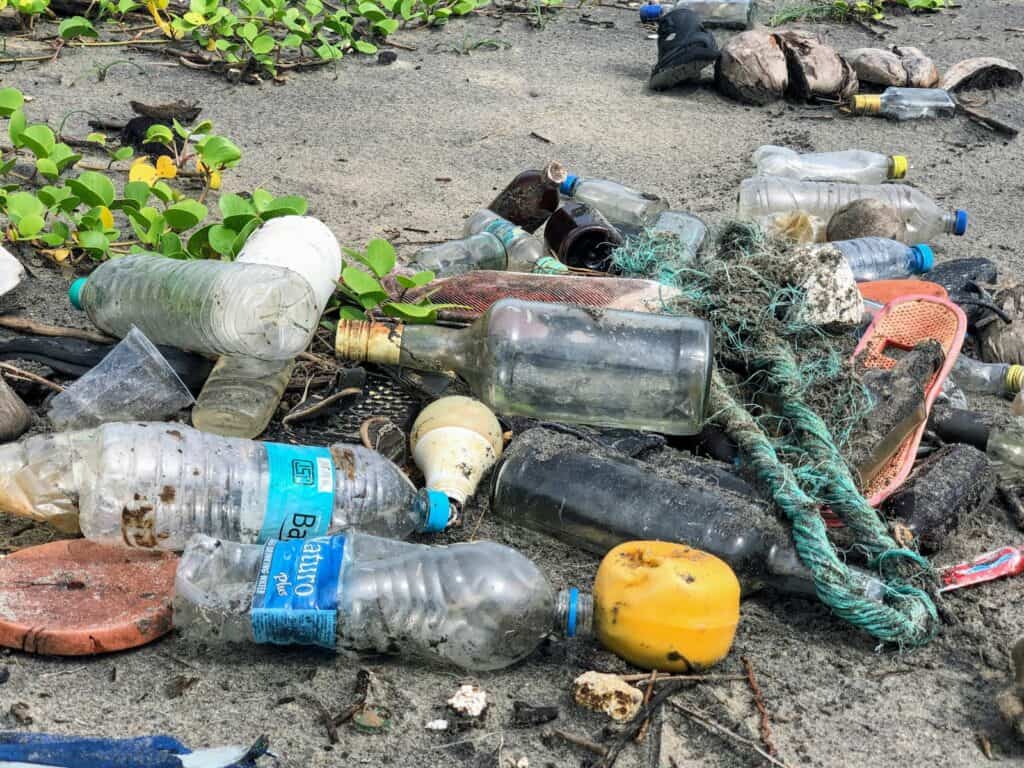
Pollution and environmental breakdown have broad consequences:
For Communities:
Reduced recreational opportunities
Health risks from contaminated water
Lowered quality of life and amenity values
For Biodiversity:
Loss of sensitive aquatic species
Altered food webs and habitat fragmentation
Increased vulnerability to invasive species
For Water Security:
Impaired source water quality for abstraction and treatment
Higher costs for water purification
Greater risk of algal blooms and ecological stress
Healthy ecosystems are not optional — they underpin sustainable livelihoods, economic activity, tourism appeal, and community wellbeing.
Addressing river and estuary pollution in Mossel Bay demands:
Transparent environmental monitoring and public reporting
Enforcement of pollution control regulations
Integrated catchment planning across agencies
Timely response to community alerts and data
Without clear accountability and corrective action, environmental decline will continue, with compounding ecological, social, and economic costs.
Environmental governance is not merely a technical function — it is a public responsibility. Citizens have a right to know the state of their natural assets, the steps being taken to protect them, and the timelines associated with action.