
Powertown has existed for over a decade as an unregulated settlement near the Little Brak River estuary. The land it occupies lies below the flood line and lacks formal approval under municipal, environmental, and town planning regulations. While provincial and municipal authorities previously identified relocation strategies to safer, serviced land, these plans have not been fully implemented. Instead, services that support habitation — including water and electricity — have been extended to the settlement, creating a de facto legitimisation without formal compliance.
The situation at Powertown illustrates broader issues in how informal settlements are managed. Although municipal bylaws are enforced strictly for compliant ratepayers — requiring adherence to building standards, land use rules, and service charges — Powertown’s occupation continues without formal enforcement action. This raises questions about how enforcement, planning compliance, and policy application are balanced against the practical reality of longstanding habitation and pressure for services.
Extending services into informal areas without compliance mechanisms can create long-term pressures on municipal budgets and infrastructure planning. Unplanned expansions of water, electricity, and sanitation place demands on service networks that were not designed for them, while sewerage pits and informal systems lack standardised management. These conditions complicate budgeting, undermine planning frameworks, and can divert resources from formal service improvements.
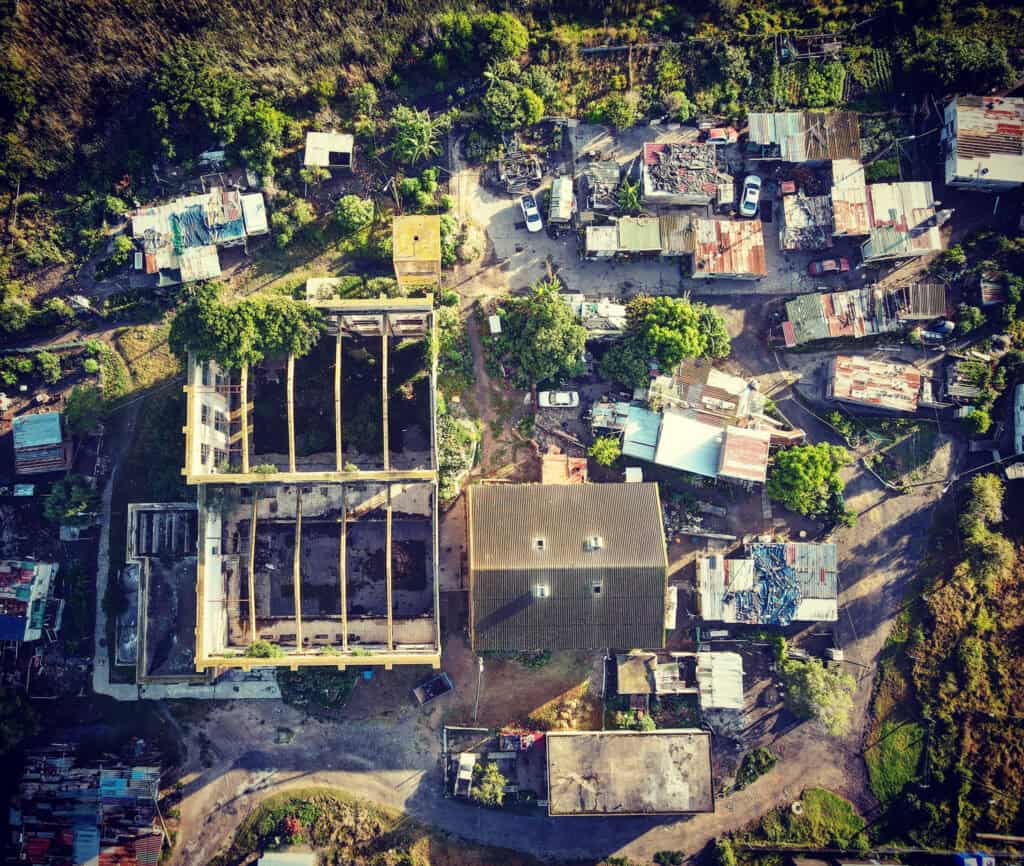
Powertown’s continued presence influences Mossel Bay on multiple levels. It highlights tensions between regulatory integrity and humanitarian concerns, challenges the consistency of municipal policy enforcement, and creates potential environmental risks due to its location in a floodplain. Additionally, it can strain relationships between long-term residents, ratepayers, and governance institutions, underscoring the need for transparent planning and community engagement in informal settlement responses.
Powertown’s situation reflects the complexity of informal settlement governance: balancing regulatory frameworks, environmental constraints, service delivery needs, and human habitation realities. Addressing these challenges requires clear policy direction, consistent enforcement, meaningful relocation plans that respect residents’ needs and proximity to livelihoods, and structured engagement between community stakeholders and municipal authorities. Without these elements, informal settlements will continue to highlight structural governance gaps in planning and service provision.